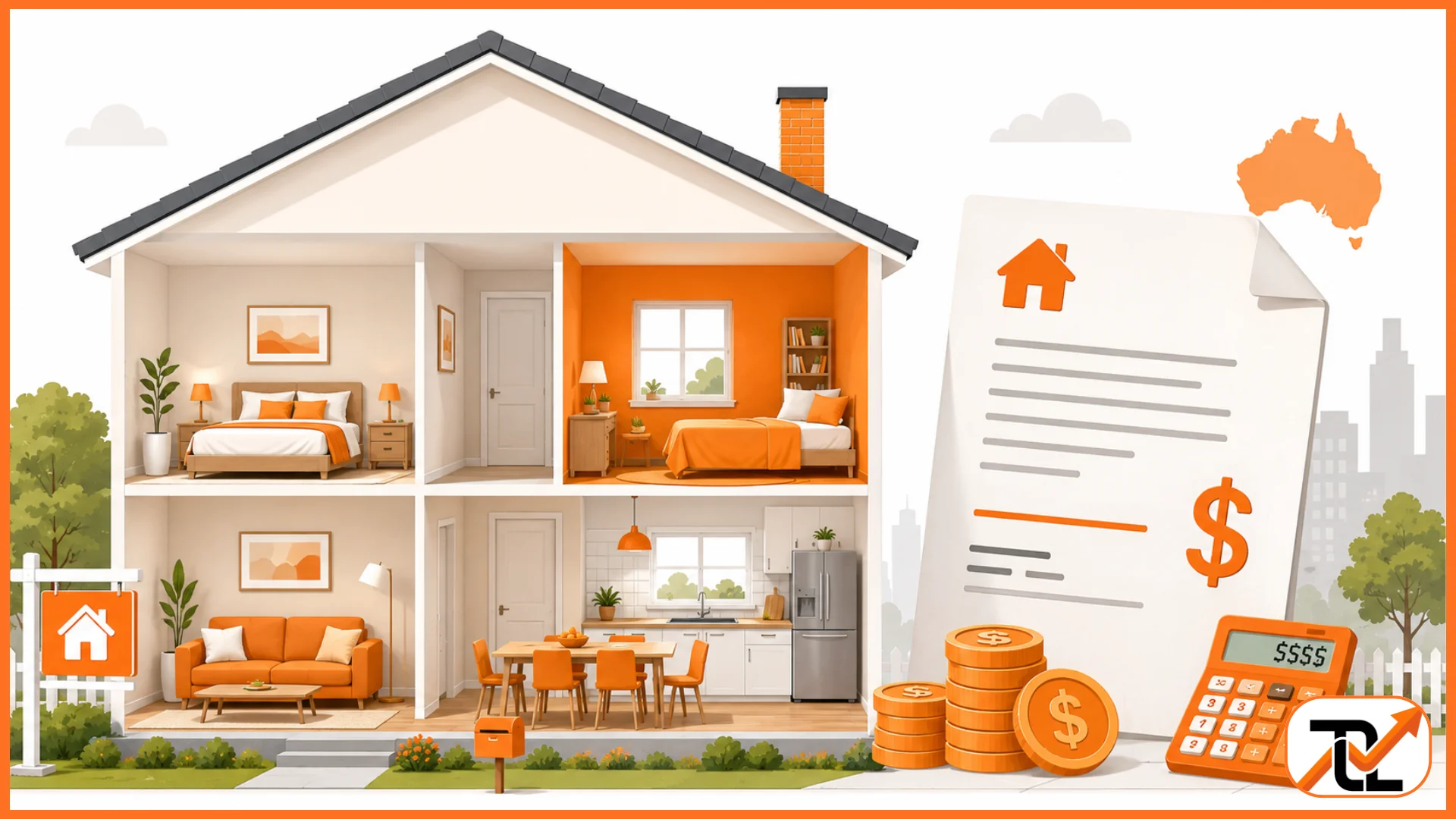
Spare Bedroom Tax rumours continue creating confusion because many Australians already face rising housing costs and financial uncertainty. Additionally, research from the Australian Bureau of Statistics and the Australian Housing and Urban Research Institute shows housing affordability remains a major national concern. However, misleading claims about a new tax often overshadow existing housing policies and current taxation rules.
Consequently, understanding what is factual helps homeowners, retirees, and renters make informed financial decisions. This complete guide explains the proposal, existing tax rules, political debate, expert opinions, and whether Australia plans to introduce a Spare Bedroom Tax.
Who is Involved in the Spare Bedroom Tax Debate?
The Spare Bedroom Tax debate involves federal and state governments, housing researchers, economists, property groups, and many Australians. However, homeowners, renters, retirees, and advocacy organisations remain central because proposed reforms could affect their financial decisions. Additionally, policy discussions focus on improving housing availability during Australia’s ongoing housing crisis.
Some experts support incentives encouraging people to use a spare bedroom, whereas others oppose measures affecting people who own larger homes. Importantly, no Australian government has officially introduced a nationwide scheme or tax targeting spare bedrooms.
What Housing Experts Are Saying
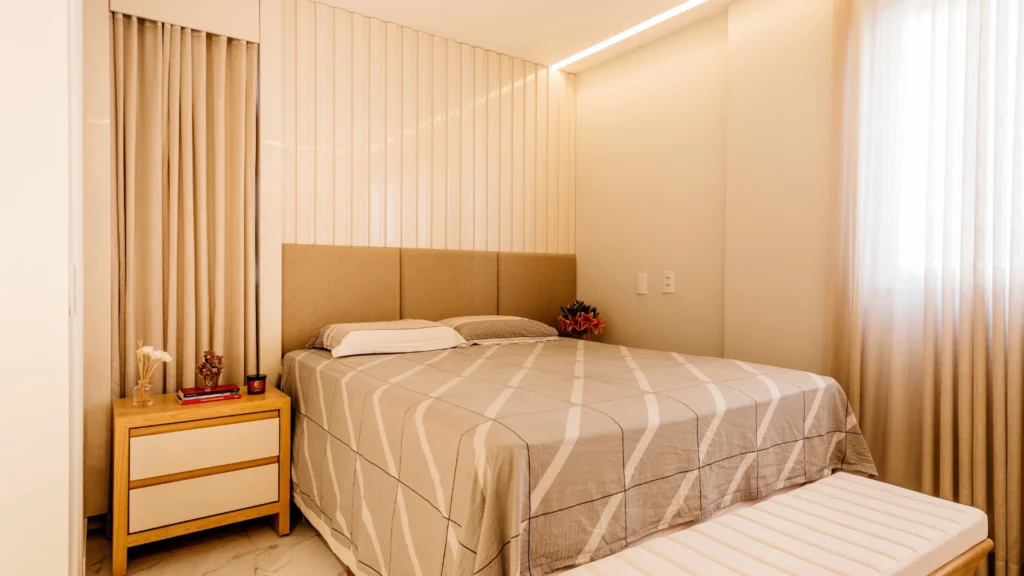
Housing experts generally argue Australia faces both a supply shortage and inefficient use of existing bedroom space. Accordingly, recent research highlights millions of unused bedrooms despite strong housing demand across Australia. Additionally, experts recommend voluntary downsizing incentives, home-sharing programs, and planning reforms instead of compulsory taxation.
For homeowners who want to make better use of an underused spare room without permanently giving up the space, flexible furniture can also help. Practical options such as wall beds allow a room to function as a guest bedroom when needed while still being usable as a home office, hobby room or extra living area day to day.
They also emphasise removing barriers affecting older age groups wishing to relocate into suitable housing. Furthermore, the Productivity Commission continues reviewing regulatory reforms supporting the National Housing Accord rather than recommending a spare bedroom tax.
What Economists Think About the Proposal
Economists remain divided because any scheme targeting unused housing space could produce mixed economic outcomes. Some believe better utilisation of existing homes may improve affordability, whereas others warn additional taxes might discourage investment or create unintended consequences.
Nevertheless, most economists agree increasing housing supply remains the most effective long-term response to Australia’s housing crisis. Furthermore, recent policy discussions have concentrated on planning reforms, construction productivity, and tax settings instead of implementing a nationwide Spare Bedroom Tax.
What Politicians Are Saying About the Proposal
Politicians remain divided over the Spare Bedroom Tax, although no federal government has proposed introducing such a policy. Accordingly, several representatives argue expanding new housing supply better addresses Australia’s housing crisis than taxing homes owned by retirees.
However, others encourage voluntary programs helping homeowners to rent unused bedrooms through tenant matching and management initiatives. They also recognise many older homeowners face cost-of-living pressures while living on a fixed income.
Public Opinion on the Spare Bedroom Tax
Public opinion remains mixed because Australians balance housing affordability concerns against protecting private property rights. Additionally, many believe encouraging people to rent out spare bedrooms voluntarily supports the rental market without creating additional tax liability.
However, older Australians worry that Capital Gains Tax (CGT), income tax, Age Pension, and social security rules could discourage renting out a spare bedroom. Consequently, supporters favour education about existing ATO rules rather than introducing another tax.
Will Australia Introduce a Spare Bedroom Tax?
Presently, Australia has no confirmed plans to introduce a nationwide Spare Bedroom Tax. Instead, the government continues prioritising increased rental stock, planning reforms, and additional housing construction to improve current housing shortages.
Furthermore, existing Australian taxation laws already apply when owners receive rental income, depending on whether arrangements remain non-commercial or qualify as taxable lodging. Accordingly, homeowners should maintain proper record-keeping before receiving income for taxation purposes.
Conclusion
Spare Bedroom Tax remains a debated proposal rather than an approved Australian policy. However, existing tax rules, taxable income, and asset assessments may already affect some homeowners through current legislation. Additionally, older Australians rely on pension payments during the ongoing cost of living and inflation pressures.
Consequently, any future government’s housing provision must balance existing housing, social fairness, and efforts to solve the housing crisis. Policymakers must also consider social impact, including energy poverty, food insecurity, social exclusion, and possible elder abuse risks before encouraging pensioners to rent vacant three-bedroom properties or enter domestic arrangement agreements. What are your thoughts on this proposal?
FAQs
1. Can renting a room affect my Age Pension?
Possibly. Rental income or changes to your financial circumstances may influence pension assessments through Services Australia.
2. Does renting a spare room trigger Capital Gains Tax?
It may. Using part of your home to earn income can affect future Capital Gains Tax calculations.
3. Is income from a homestay always taxable?
Not always. Tax treatment depends on whether the arrangement is commercial or considered a domestic arrangement.
4. Does New South Wales (NSW) have a Spare Bedroom Tax?
No. NSW has not introduced a Spare Bedroom Tax for homeowners or owner-occupied properties.
5. How can homeowners earn income from unused bedrooms?
They can rent rooms, host homestay students, or accept boarders, subject to existing taxation and tenancy rules.