
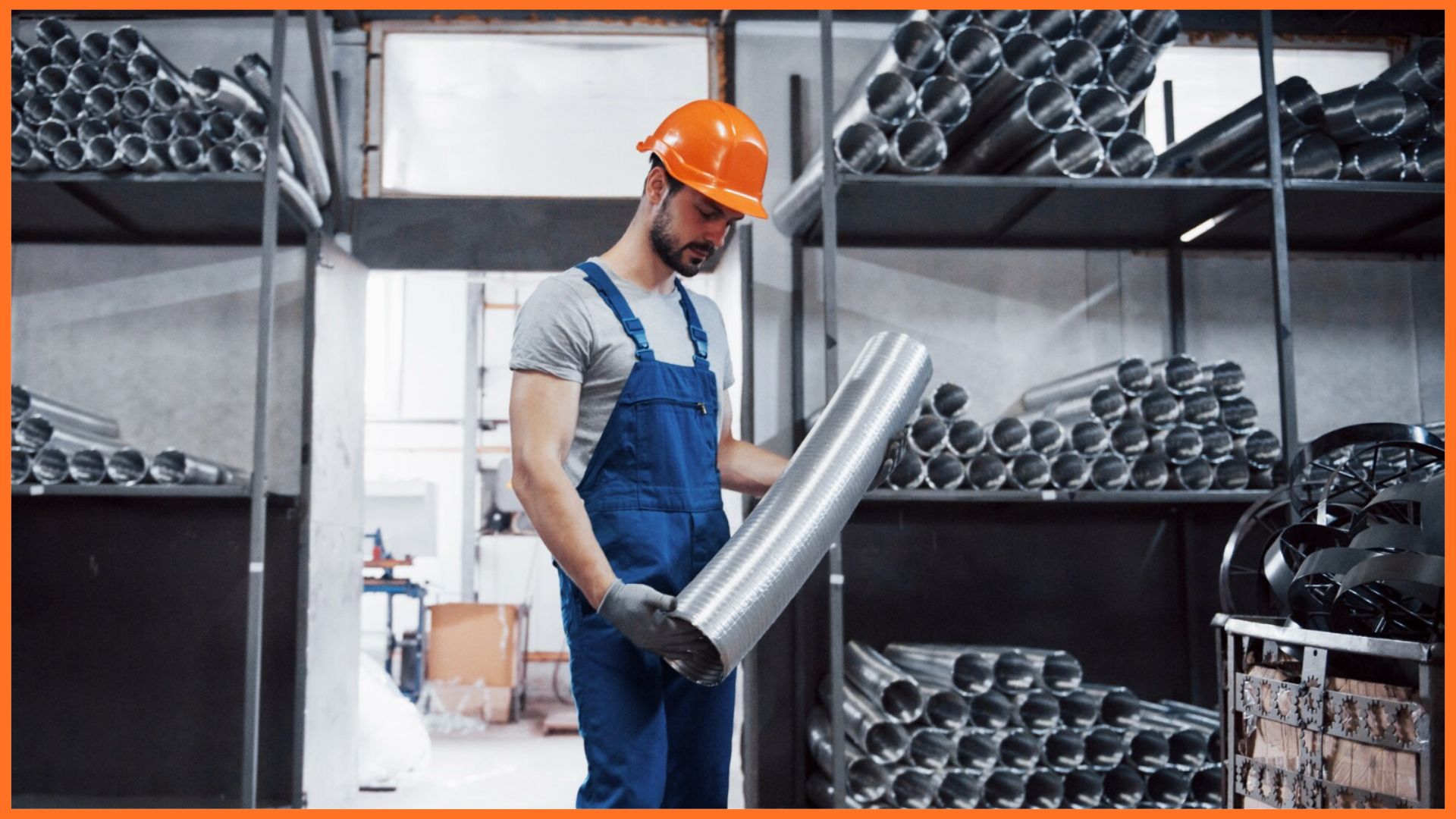
Stainless steel has become one of the most dependable materials used across manufacturing, construction, healthcare, transport, and many other industries. Its ability to resist corrosion, maintain structural strength, and deliver an attractive finish has made it a preferred choice for projects ranging from household products to large-scale infrastructure. Businesses across different sectors rely on trusted stainless steel suppliers to provide materials that meet strict performance standards and suit a wide variety of applications. A dependable supplier offers far more than stock on hand, providing technical guidance, dependable delivery, and consistent product quality that supports successful projects of every size.
Understanding the Composition and Performance of Stainless Steel
Stainless steel is produced by combining iron with chromium and, in many grades, nickel and other alloying elements. Chromium creates a thin protective oxide film across the surface, shielding the metal from rust and corrosion without affecting its appearance. This natural protection allows stainless steel to perform exceptionally well in environments exposed to moisture, chemicals, fluctuating temperatures, and regular cleaning.
Different grades are developed with varying chemical compositions, giving manufacturers access to materials suited for structural strength, food processing, marine environments, decorative finishes, or high-temperature applications. Selecting the appropriate grade allows products and structures to achieve long service life with reduced maintenance and dependable performance under demanding conditions.
A Material Used Across Countless Industries
Few engineering materials match the versatility of stainless steel. Within the construction sector, it appears in structural framing, handrails, roofing systems, architectural cladding, façades, bridges, and public infrastructure. Designers appreciate its clean appearance, which complements modern buildings and retains its finish with minimal upkeep. The automotive industry uses stainless steel in exhaust systems, fuel tanks, trims, and structural components exposed to heat and harsh operating conditions.
Manufacturing facilities rely on it for machinery, production equipment, storage tanks, and conveyor systems where durability and cleanliness remain high priorities. Its wide range of applications reflects its ability to satisfy demanding technical requirements without sacrificing appearance or reliability.
Supporting Hygiene and Safety Standards
Cleanliness plays a major role in industries handling food, beverages, pharmaceuticals, and healthcare products. Stainless steel provides a smooth, non-porous surface that resists contamination and is easy to sanitise.
Food preparation equipment, commercial kitchens, processing plants, brewing systems, dairy facilities, and storage containers frequently use stainless steel to maintain strict hygiene requirements.
Medical professionals depend on the material for surgical instruments, operating tables, implants, laboratory equipment, and hospital fixtures that undergo repeated sterilisation.
Its resistance to corrosion allows these products to remain reliable after frequent cleaning and exposure to disinfectants, helping facilities maintain high safety standards across everyday operations.
Why Reliable Stainless Steel Suppliers Matter
The quality of the material supplied can influence the success of an entire project. Reputable stainless steel suppliers understand the technical requirements of different industries and recommend products suited to each application. Their role extends beyond supplying sheets, plates, bars, tubes, coils, pipes, and fittings. Experienced suppliers provide guidance on material grades, fabrication methods, machining characteristics, welding compatibility, and finishing options. They maintain dependable inventory management, accurate product certification, and efficient logistics that allow customers to meet production schedules without unnecessary delays. Long-term relationships between suppliers and clients often lead to smoother operations, improved planning, and greater confidence throughout every stage of manufacturing or construction.
Environmental Responsibility and Sustainable Manufacturing
Sustainability has become a major focus across industrial production, and stainless steel fits well within environmentally responsible manufacturing practices. One of its strongest advantages lies in its recyclability, with stainless steel capable of being recycled repeatedly without losing its original properties. Recycled material frequently becomes part of new products, reducing demand for newly extracted raw materials and lowering waste sent to landfill.
Many suppliers support environmentally responsible practices by sourcing materials responsibly, improving manufacturing efficiency, reducing packaging waste, and sharing information about recycled content. Businesses seeking environmentally conscious building materials often view stainless steel as a practical solution that balances durability with responsible resource management across the full lifespan of a product.
Continuous Development and Manufacturing Innovation
Research and engineering continue to expand the capabilities of stainless steel through improved alloy compositions and manufacturing techniques. New grades deliver stronger mechanical properties, better corrosion resistance, and improved performance under extreme temperatures or aggressive chemical exposure. Duplex stainless steels, for example, combine high strength with excellent resistance to stress corrosion cracking, making them suitable for demanding industrial environments such as offshore facilities, chemical processing plants, and heavy infrastructure.
Advances in manufacturing technology have supported tighter quality control, greater dimensional accuracy, and more consistent material performance. Suppliers work alongside manufacturers to deliver customised sizes, finishes, and fabrication services that meet the growing expectations of industries adopting advanced production technologies and automated systems.
Market Pressures and Industry Challenges
Like many global industries, the stainless steel market experiences changes driven by raw material availability, international trade conditions, transportation costs, and fluctuations in demand. Elements such as nickel and chromium influence production costs, with price movements affecting manufacturers, suppliers, and customers alike.
Supply chain disruptions, changing regulations, and international economic conditions may influence lead times and purchasing decisions. Careful planning, reliable sourcing strategies, and strong supplier relationships help businesses minimise uncertainty and maintain project schedules.
Competing materials, including aluminium, carbon steel, and engineered composites, continue to develop, yet stainless steel remains a preferred choice wherever corrosion resistance, durability, structural integrity, and long-term value remain high priorities.
Meeting Diverse Customer Requirements
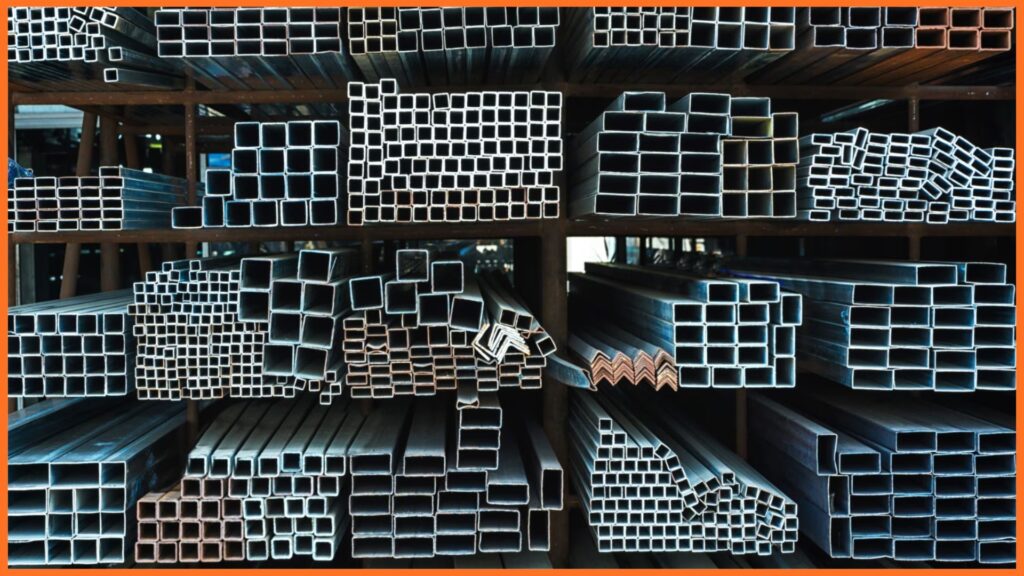
The versatility of stainless steel allows it to serve industries with very different requirements. Architects specify polished finishes for commercial buildings and luxury developments, engineers rely on heavy-duty structural grades for industrial projects, manufacturers require precision materials for machinery, and homeowners appreciate its durability in kitchens, bathrooms, and outdoor living spaces. Meeting these varied expectations calls for suppliers with extensive product knowledge, flexible inventory, and dependable customer service.
Many suppliers expand their capabilities through precision cutting, fabrication, polishing, custom finishing, and efficient distribution networks that simplify procurement for businesses across multiple sectors. This broad service offering supports projects ranging from small-scale renovations to major infrastructure developments without compromising material quality or delivery reliability.
Conclusion
Stainless steel continues to hold a prominent position across modern industry through its combination of strength, corrosion resistance, attractive appearance, hygiene, and long service life. Its adaptability allows manufacturers, builders, healthcare providers, food producers, and countless other organisations to rely on a single material for an extensive range of demanding applications. Trusted stainless steel suppliers contribute far beyond material distribution by offering technical knowledge, dependable logistics, product consistency, and tailored solutions that help businesses achieve successful outcomes.
Ongoing advances in metallurgy, production technology, and environmentally responsible practices continue to strengthen the value of stainless steel across established industries and emerging markets alike. With demand remaining strong across construction, manufacturing, healthcare, transportation, and sustainable development, stainless steel is expected to remain one of the most dependable materials shaping industrial progress for many years ahead