
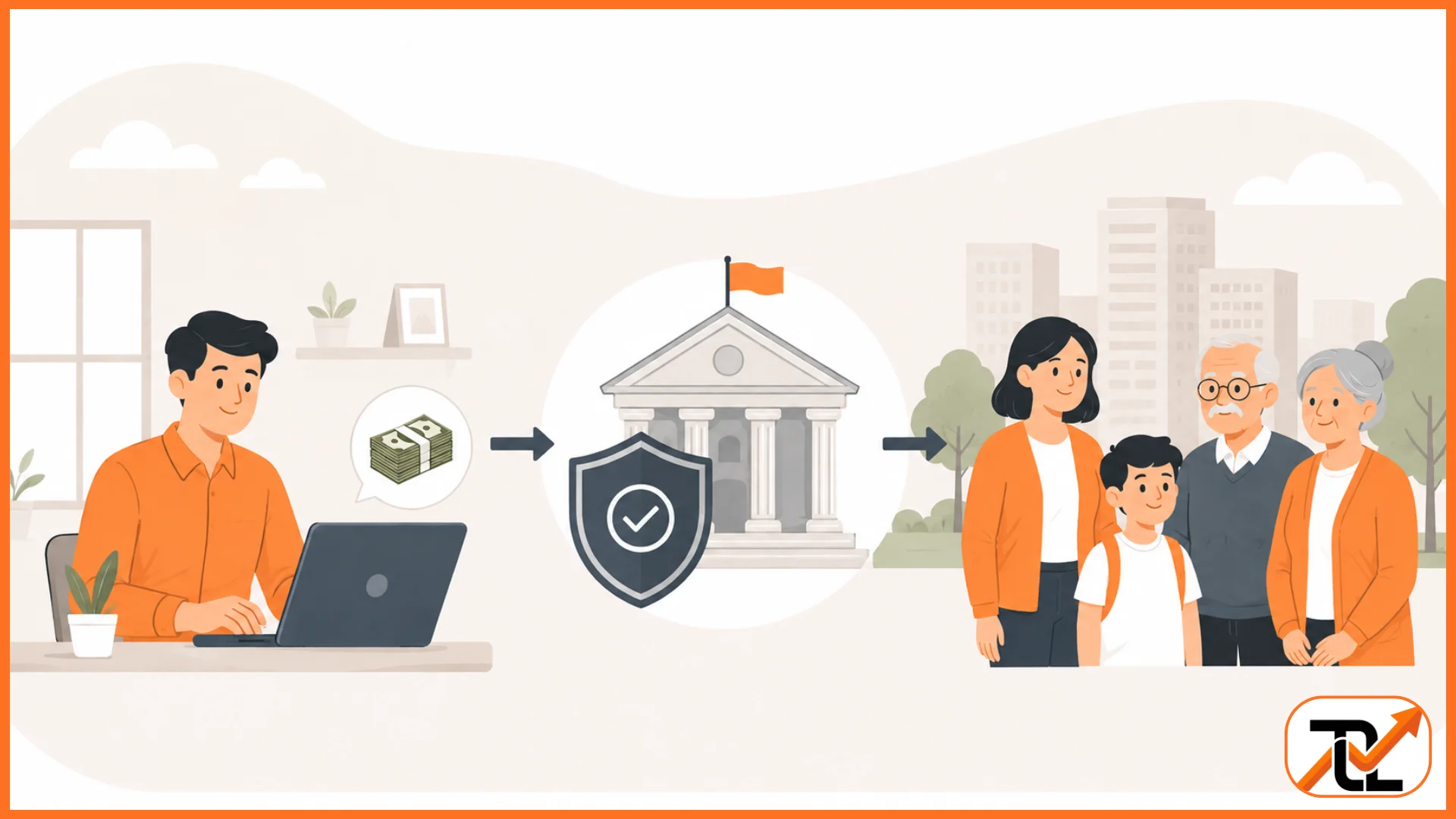
Managing tax responsibilities can be confusing, especially when different payments and reporting requirements apply across Australia. For businesses and individuals, knowing what is PAYG can provide useful context when dealing with everyday financial responsibilities.
However, understanding the basic terminology is equally important before exploring how the system applies to different circumstances. Whether you operate as a sole trader or run a growing business, PAYG may become relevant to your accounting processes. This article explains the key aspects you should understand, helping you manage your tax obligations with greater confidence.
What is PAYG?
PAYG means pay as you go, a tax system used by the Australian Taxation Office (ATO).
It helps taxpayers pay income tax during the financial year instead of facing one large payment. It generally covers two processes, depending on how you earn income and receive payments.
These processes are PAYG withholding and instalments. Therefore, Pay-As-You-Go can spread tax payments across the year and reduce a large tax bill.
PAYG Instalments
PAYG instalments are regular income tax payments based on business and investment income during the year. They apply to taxpayers who earn income without enough tax withheld from payments. Typically, the ATO asks eligible taxpayers to pay instalments quarterly through an activity statement.
The instalment amount or rate can change when business or investment income changes. Accordingly, you can vary Pay-As-You-Go instalments when your expected tax liability differs. When you lodge your tax return, the ATO credits paid instalments against your final income tax liability. This arrangement can help prevent a large tax bill after the financial year ends.
PAYG Withholding
Pay-As-You-Go withholding requires businesses and other payers to withhold tax from certain payments made to others. Employers commonly withhold income tax from employee wages before paying the remaining amount to employees. The withheld amount is reported to the ATO through the relevant activity statement. Pay-As-You-Go withholding can also apply to some contractors, directors, and other specified payment arrangements.
Therefore, businesses must calculate amounts using the ATO’s current tax tables and withholding schedules. Employees generally receive credit for withheld amounts when they lodge their tax return. This process helps spread income tax payments throughout the year instead of delaying everything.
What Are the Different Types of PAYG Instalments?
Pay-As-You-Go instalments are regular prepayments toward tax on business and investment income. Generally, taxpayers can make payments quarterly, annually, or vary their instalments according to circumstances.
Each option helps eligible taxpayers manage tax obligations during the current financial year. Your circumstances determine which payment method applies, so checking ATO requirements remains important.
Quarterly PAYG Instalments
Most taxpayers pay Pay-As-You-Go instalments quarterly through an activity statement or instalment notice.
The ATO may calculate the instalment amount using your previous tax information.
Annual PAYG Instalments
Some eligible taxpayers can pay one annual instalment instead of making quarterly payments. This option can simplify tax payments for certain business owners with eligible circumstances.
PAYG Instalment Variations
You can vary your Pay-As-You-Go instalment amount when expected business income changes significantly. The ATO calculator can help work out a revised instalment amount or rate. Generally, you should lodge the variation by the relevant instalment’s due date.
Why Is the PAYG System Important for Small Businesses?
PAYG helps small businesses manage tax obligations by spreading payments across the financial year. This approach can reduce the risk of needing to pay a large tax bill afterwards. Additionally, regular payments can help business owners manage cash flow more consistently. The ATO generally credits Pay-As-You-Goinstalments against the final tax assessment after lodging your return.
- Manage business tax: Regular instalments help businesses pay tax on income as they earn it.
- Improve cash flow: Smaller scheduled payments can make future tax costs easier to plan.
- Avoid large tax bills: Paying throughout the year can reduce the final amount payable.
- Adjust changing income: Businesses can vary their instalment when expected income changes.
- Use accurate calculations: An instalment calculator can help estimate tax and variation amounts.
Conclusion
What is PAYG? It is a system in Australia for collecting income tax gradually instead of waiting until the financial year ends. Employers and sole traders can use PAYG obligations to manage cash flow while meeting their tax responsibilities throughout the year.
Therefore, understanding when to register, how the instalment rate works, and what gets withheld can prevent unnecessary tax complications. With accurate accounting and timely BAS reporting, you can manage your tax more effectively and avoid unexpected payments later.
Common Questions Related to PAYG
What is PAYG payment summary?
A PAYG payment summary records your income, the amount of tax withheld, and other relevant payment details during the financial year. Employers generally provide this information through Single Touch Payroll records instead.
What is PAYG tax?
PAYG tax refers to tax withheld from payments or collected through the PAYG instalment system. It helps taxpayers pay tax on their business or employment income throughout the year.
What is Business Activity Statement (BAS)?
A Business Activity Statement (BAS) reports obligations such as GST and PAYG withholding to the ATO. You may also use it to work out your PAYG instalments when required.
Do I get PAYG tax back?
You may receive a refund if the amount withheld exceeds your final tax liability for the year. Otherwise, the amount withheld is generally credited against the tax you owe.
How much will I get taxed on PAYG?
Your PAYG tax depends on your income, tax circumstances, and applicable rates rather than a fixed percentage. The ATO uses these details to determine the amount of tax you need to pay.